7 Home Security Mistakes Most UK Homeowners Make
Police data shows that most residential break-ins in the UK are opportunistic — and almost entirely preventable. Here's what people get wrong, and what actually works.
According to the Office for National Statistics, there are over 300,000 domestic burglaries in England and Wales every year. The majority happen between 6pm and midnight — and most involve no forced entry at all. Doors were unlocked. Windows were open. Nobody was watching. Here are the seven mistakes that give intruders an easy opportunity.
Assuming a Visible Camera Means You’re Covered
Many homeowners install a single camera above the front door and consider the job done. But intruders are increasingly aware of camera placement — and will simply approach from the side or rear of the property instead. According to UK Police data, rear and side entry points account for the majority of residential break-ins.
Coverage matters more than presence. The back garden, side gate and garage are the most commonly used entry points in UK burglaries.
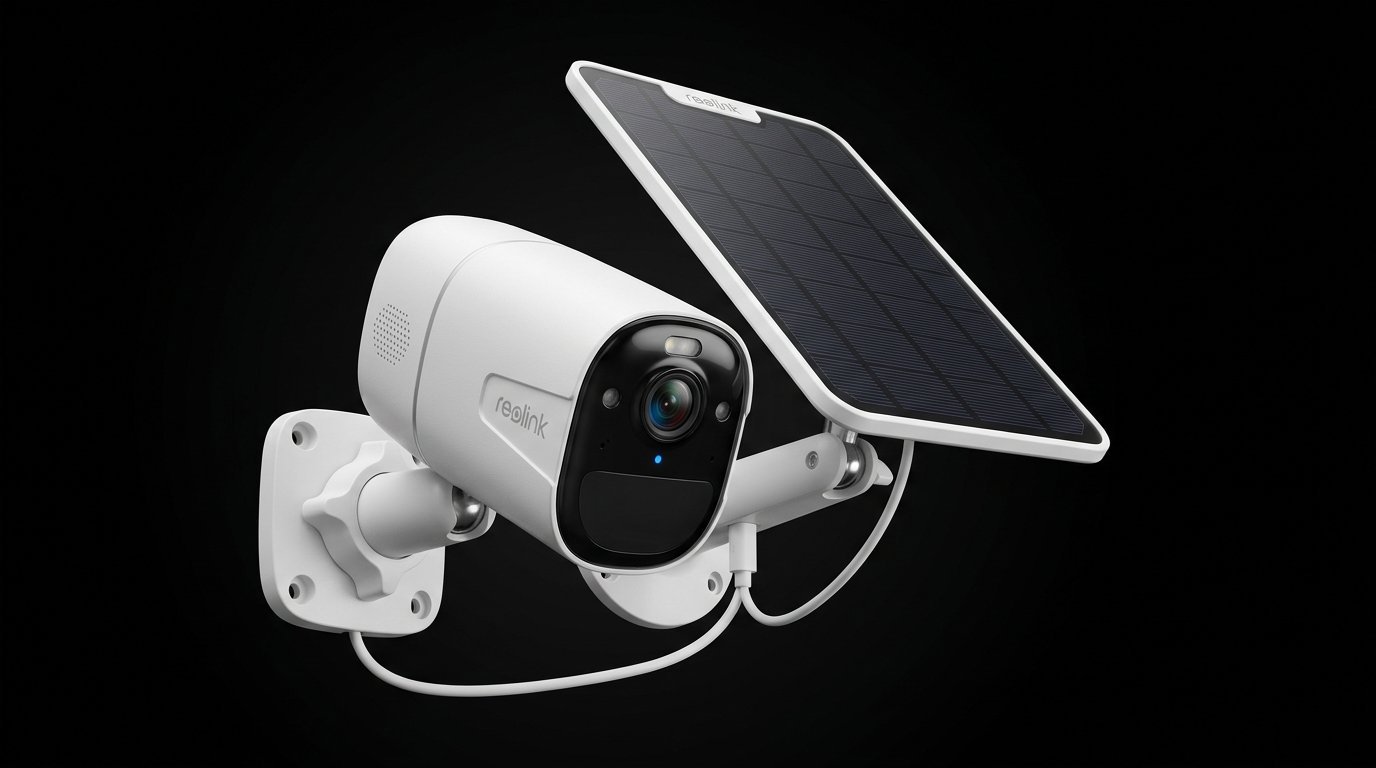
Using a Camera That Only Records When Motion Is Detected
Standard motion-triggered cameras are better than nothing. But experienced intruders know how to move slowly enough to avoid triggering them — or will approach from an angle that avoids the sensor entirely.
The most reliable cameras record continuously and use AI to flag and timestamp relevant events. This means even if an intruder avoids triggering an alert, the footage is still there.
Relying on Cloud Storage — Without a Backup Plan
Cloud-based cameras are convenient, but some intruders now know to look for and remove the camera itself before police arrive. If your camera is the only place your footage is stored — and the camera is gone — so is the evidence.
A secondary local storage option (SD card or wired NVR) means footage is preserved even if the camera is tampered with.

Not Having Any Coverage of the Driveway or Garage
Vehicle theft from driveways has risen sharply in the UK over the past three years, with keyless entry relay attacks becoming increasingly common. But even traditional theft — someone simply trying the car door at 2am — goes unrecorded if there's no camera pointing at the driveway.
Insurance claims without footage are frequently disputed. Claims supported by clear video are settled significantly faster, and some insurers now actively request dashcam or CCTV footage before approving payouts.
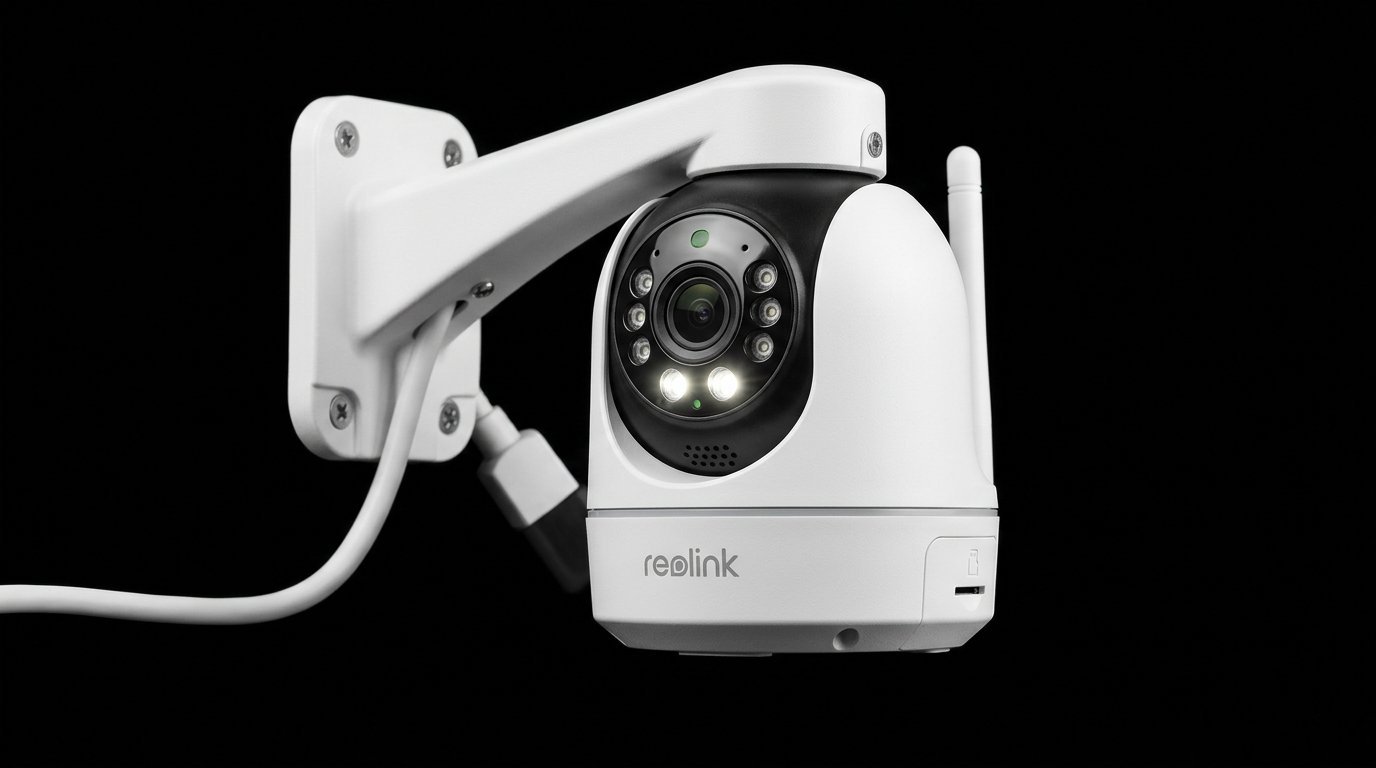
Buying a Camera That Requires a Monthly Subscription to Work Properly
Several well-known camera brands — particularly those sold heavily through supermarkets — lock key features like motion alerts, recorded history, and remote access behind a monthly subscription. Without it, the camera essentially becomes a live viewer with no memory.
This isn’t widely advertised on the box. The result is homeowners who assume they’re protected, but have no recorded footage when they actually need it.
Installing a Camera That Can’t Handle British Weather
UK weather is famously unpredictable — freezing fog in February, driving rain in July, and intense sun the same afternoon. Budget cameras rated below IP65 regularly fail within one winter, often voiding the warranty because water ingress isn’t covered as a manufacturer defect.
IP67-rated cameras withstand complete submersion in water. In practice, this means they handle any UK weather condition without issue — including pressure washing if you need to clean the mounting area.
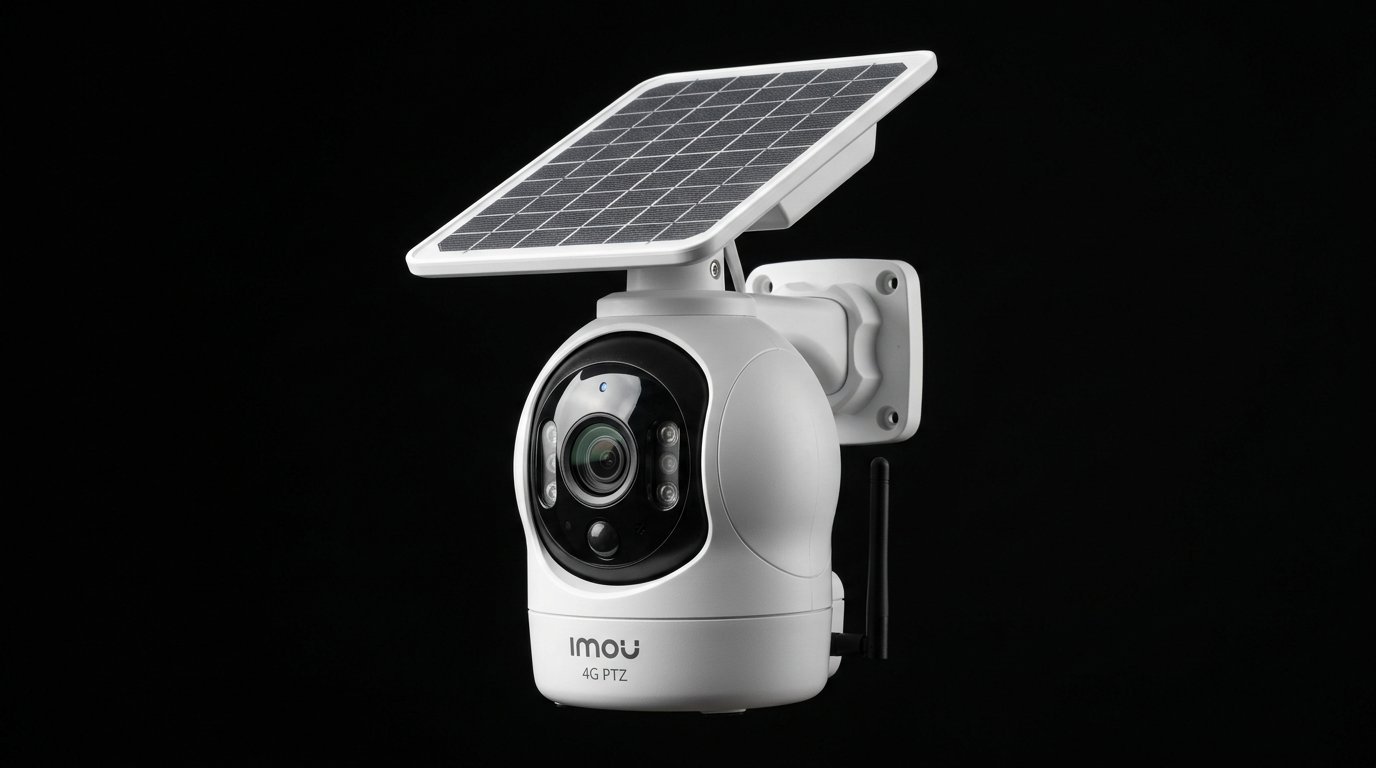
Waiting Until After an Incident to Install a Camera
This one is almost too obvious to state — but it’s the most common mistake of all. The majority of security camera purchases in the UK happen within two weeks of a break-in or attempted break-in, either to the homeowner themselves or a neighbour. By then, the incident has already happened.
A camera installed today records everything from tonight onwards. A camera purchased after the incident records nothing that already happened.
Advertisement. This page is a paid advertorial published by Perdin. Content is provided for informational purposes only and does not constitute independent editorial advice. All product information and prices are accurate as of May 2026 and subject to change without notice.
CCTV Perdin Ltd, registered in England & Wales No. 12567037 · Privacy Policy · Terms